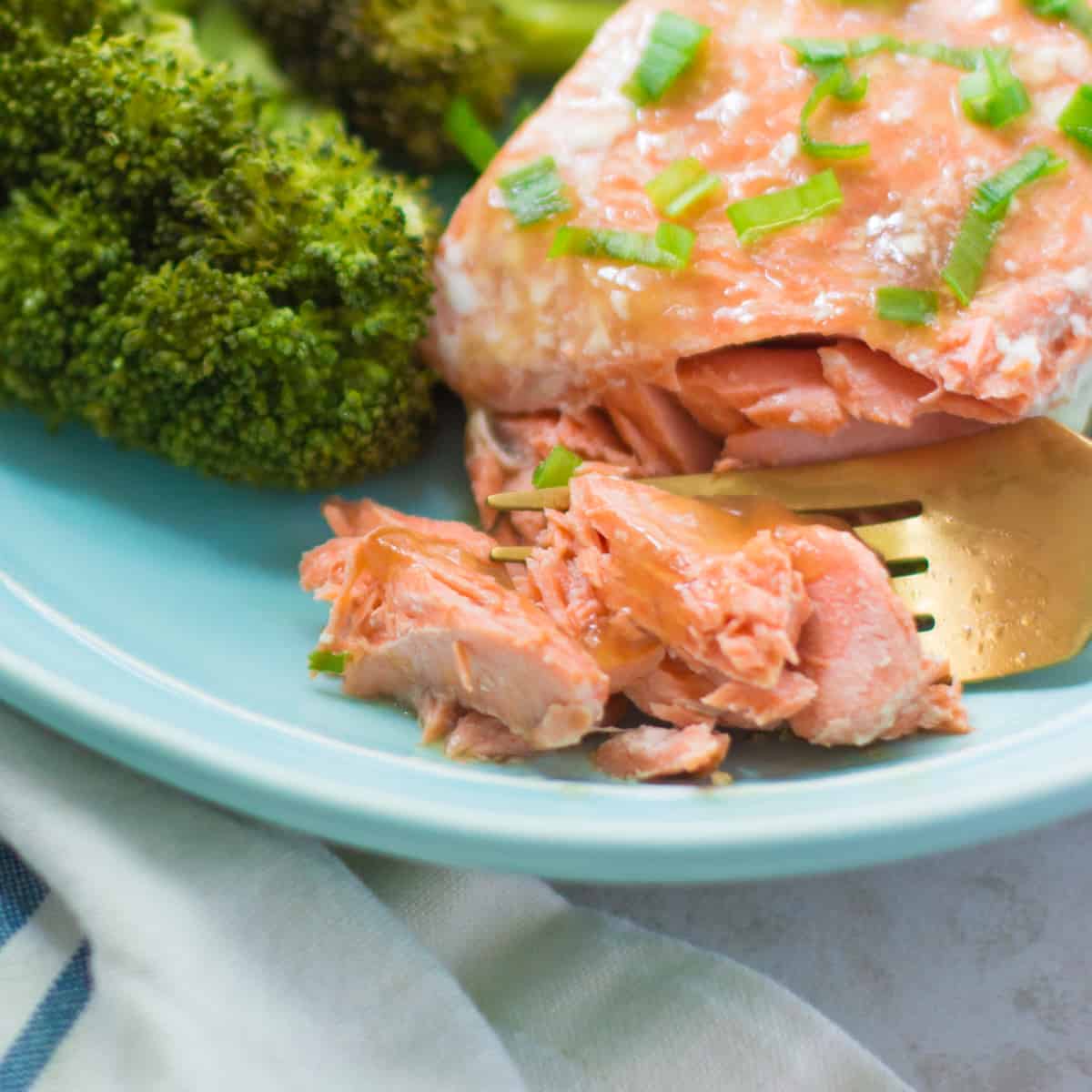
Unlock a Healthy & Delicious Weeknight Win: Low-Sodium Teriyaki Glazed Salmon for the Whole Family
In the quest for meals that are both incredibly flavorful and genuinely good for you, salmon often takes center stage. But what if you could elevate this nutritional powerhouse into a dish that's not only a treat for adult palates but also perfectly safe and beneficial for your littlest eaters? Enter our low-sodium
teriyaki glazed salmon – a culinary marvel designed for busy weeknights, health-conscious families, and the delightful adventure of introducing solids to babies. Forget store-bought sauces laden with excessive salt and sugar; we're diving into the joy of homemade teriyaki that gives you complete control, ensuring every bite is as wholesome as it is delicious.
Why Salmon is a Nutritional Powerhouse for Every Plate
Salmon isn't just a delicious fish; it's a true superfood, especially vital for growing children and maintaining adult health. Its impressive nutritional profile makes it a standout choice for family meals.
- Omega-3 Fatty Acids: The star of the show! Salmon is exceptionally rich in DHA and EPA, essential omega-3s crucial for brain development, eye health, and a healthy nervous system in infants and children. For adults, these fatty acids support heart health, reduce inflammation, and may improve cognitive function.
- Low Mercury Content: Unlike some larger fish, salmon typically has very low levels of mercury, making it a safe and recommended choice for pregnant women, nursing mothers, and babies.
- High-Quality Protein: Essential for building and repairing tissues, protein is fundamental for growth in babies and maintaining muscle mass in adults. Salmon provides a complete protein source, meaning it contains all nine essential amino acids.
- Vitamins and Minerals: Beyond omega-3s, salmon is a fantastic source of Vitamin D, which is critical for bone health and immune function. It also provides a wealth of B vitamins (B12, niacin, B6) vital for energy production, as well as selenium, a powerful antioxidant, and potassium.
You can safely introduce salmon to your baby as soon as they are ready for solids, typically around 6 months of age. Its naturally soft, flaky texture makes it easy for babies to gum or chew. When choosing salmon, we highly recommend looking for
wild-caught Alaskan salmon. This variety is celebrated for its superior flavor, sustainability, and typically lower toxin levels compared to some farmed alternatives. Individually packaged fillets are convenient for portion control. Canned salmon is another excellent, accessible option; just be sure to choose varieties labeled "no-salt-added" or "low-sodium" and "BPA-free" for the healthiest choice.
The Art of Crafting Your Own Low-Sodium Teriyaki Glaze
The secret to transforming plain salmon into an extraordinary, baby-friendly meal lies in the teriyaki glaze. The beauty of making your own homemade teriyaki sauce is the unparalleled control it gives you over the ingredients, particularly the sodium and sugar levels. Store-bought teriyaki sauces are notoriously high in both, often derailing the health benefits of your meal.
Our baby-friendly, low-sodium teriyaki glaze is surprisingly simple to prepare and comes together quickly with just a few pantry staples:
- Low-Sodium Soy Sauce: This is the foundation. Opt for a high-quality low-sodium variety to keep sodium in check without sacrificing savory depth.
- Water: Helps to dilute the soy sauce and achieve the desired consistency.
- Fresh Ginger: Grated fresh ginger provides a vibrant, zesty warmth that is both aromatic and beneficial for digestion.
- Fresh Garlic: Minced garlic adds a pungent, earthy flavor that complements the salmon beautifully and offers immune-boosting properties.
- Brown Sugar (or alternative): A touch of brown sugar balances the savory and tangy notes, providing that characteristic teriyaki sweetness. For alternative natural sweeteners, you could experiment with a small amount of maple syrup or honey (note: avoid honey for babies under one year old).
- Cornstarch Slurry: This is your thickening agent. A simple mixture of 1 teaspoon cornstarch dissolved in 1 tablespoon of cold water, added at the end, will magically transform your liquid sauce into a luxurious, glossy glaze.
This versatile homemade teriyaki sauce isn't just for salmon; it's equally amazing on chicken, beef meatballs, or even as a stir-fry sauce. You can easily prepare a batch in advance and store it in the refrigerator for those extra-busy days, making quick healthy meals a breeze. For an added layer of complexity, consider a splash of rice vinegar for a subtle tang or a tiny drop of sesame oil added at the very end for a nutty aroma (use sparingly as a little goes a long way!). For more inspiration on mastering this fundamental sauce, check out our guide on
Easy Homemade Teriyaki Glazed Salmon for Quick Weeknight Dinners.
Achieving Culinary Perfection: Tips for Moist, Flaky Salmon Every Time
Cooking salmon to perfection means achieving that delicate balance of moist, flaky flesh and a beautifully glazed exterior. There are several effective methods, but some excel at preserving moisture, which is especially important for baby-friendly textures.
The Covered Pan-Sear Method (Our Favorite!)
This technique is a game-changer for consistently moist salmon.
- Prepare Your Salmon: Start with quality salmon fillets, ideally 4-6 ounces each. Pat them thoroughly dry with paper towels; this is crucial for achieving a good sear. If your fillets have skin, you can opt to leave it on for extra flavor and protection during cooking.
- Sear: Heat a pan or skillet over medium heat and add a little oil. Once hot, place the salmon skin-side down (if applicable) and sear for about 3-4 minutes. This creates a lovely crust.
- Glaze and Steam: Pour your homemade low-sodium teriyaki sauce over the salmon. Immediately cover the pan tightly with a lid. The steam generated will gently cook the fish through, ensuring it remains incredibly moist and tender – ideal for babies.
- Finish: Continue cooking for another 3-5 minutes, depending on the thickness of your fillets, until the salmon flakes easily with a fork.
Baking for Hands-Off Ease
Baking is another excellent method, especially when you prefer a hands-off approach.
- Preheat your oven to 400°F (200°C).
- Place salmon fillets skin-side down on a baking sheet lined with parchment paper.
- Bake for 12-15 minutes, or until the internal temperature reaches 145°F (63°C). You can brush with teriyaki glaze halfway through baking or drizzle generously after cooking.
Steaming for Ultimate Gentleness
Steaming is the gentlest cooking method, yielding incredibly tender and moist salmon. Simply place the fillets in a steamer basket over simmering water, cover, and steam for 8-10 minutes. Glaze with teriyaki sauce before or after steaming.
Regardless of your chosen method, always use a meat thermometer to ensure the salmon reaches an internal temperature of 145°F (63°C). This guarantees both food safety and prevents overcooking, which can lead to dry, unappetizing fish. Once cooked, let the salmon rest for a minute or two before serving; this allows the juices to redistribute, enhancing flavor and moisture. For a deeper dive into achieving that perfect flaky texture, explore our tips in
Cook Perfect Teriyaki Glazed Salmon: Tips for Moist, Flaky Fish.
Versatile Sides & Making it Baby-Ready
A delicious meal isn't complete without its accompaniments. This low-sodium
teriyaki glazed salmon pairs beautifully with a variety of healthy sides, making it easy to adapt for both adult and baby palates.
- Sticky Rice: A classic pairing! For adults, a drizzle of sesame oil and finely chopped green onions stirred into the rice adds an extra layer of authentic Asian flavor.
- Roasted Vegetables: Asparagus, broccoli florets, green beans, or bell peppers roasted to tender-crisp perfection are vibrant and nutritious additions.
- Steamed Edamame: A quick and easy protein-packed side.
- Quinoa or Brown Rice: For a boost of fiber and complex carbohydrates, these grains are excellent alternatives to white sticky rice.
- Sautéed Bok Choy: Lightly sautéed with a touch of garlic, bok choy offers a refreshing green element.
Adapting for Your Little One:
Making this meal baby-friendly is wonderfully straightforward.
- Salmon: Once cooked, flake the salmon into very small, easily chewable pieces. Ensure all bones are removed. Its soft texture is perfect for babies who are gumming or just starting to use their first teeth.
- Rice: If serving sticky rice, you can form small, bite-sized balls for older babies practicing their pincer grasp or simply offer small spoonfuls.
- Vegetables: Ensure any vegetables served to baby are cooked until very soft and easily mashable or cut into appropriate, choke-safe sizes (e.g., thin sticks of very soft carrot, tiny florets of steamed broccoli).
- Sauce: The beauty of the low-sodium teriyaki sauce is that it's already safe for babies! You can drizzle a little over their salmon and rice for added flavor.
Always supervise your baby during meal times and ensure food is cooled to a safe temperature before serving.
A Healthy, Happy Meal for Everyone
Creating a meal that satisfies the sophisticated tastes of adults while being perfectly safe and nutritious for babies might seem like a challenge, but this low-sodium
teriyaki glazed salmon recipe proves it's entirely achievable. With its rich omega-3 content, customizable homemade sauce, and flexible cooking methods, it's more than just a dish; it's a testament to healthy, delicious family dining made easy. So, embrace the simplicity and flavor of this incredible meal – your taste buds, and your baby's developing brain, will thank you!